
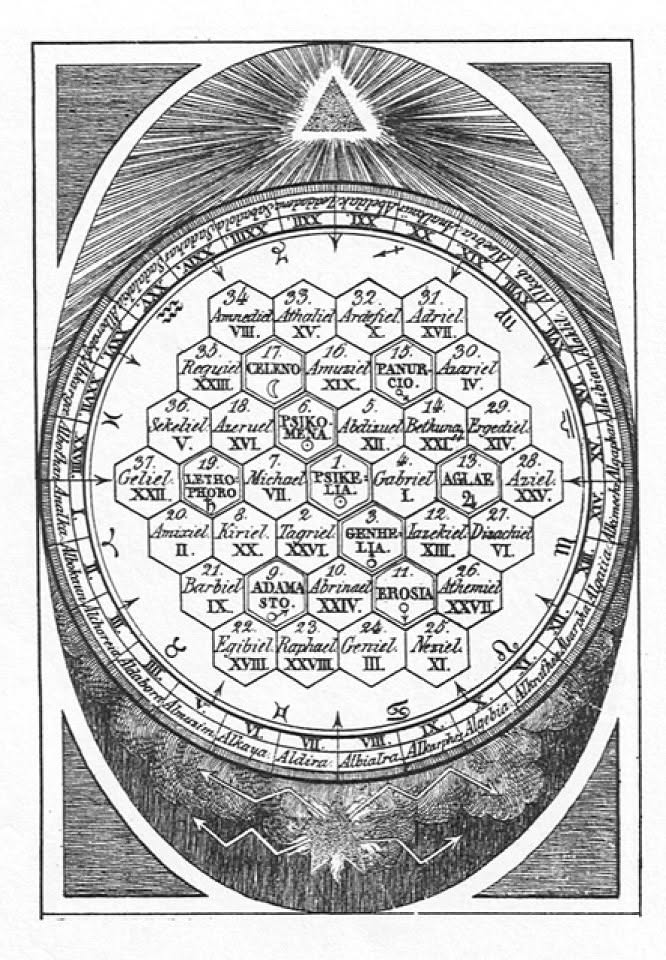
The Lunar Mansions in astrology are deeply visual. Visual in the sense that they formed from watching the Moon connect with bright stars in a 27 or 28 division. I prefer the 28 division, as it is an even number that can divide into 364 and come out with a neat and lucky number of 13. The Moon takes 27.3 days to orbit the earth in its Synodic cycle, but the 28 stars or asterisms that make up the Mansions seem to work well enough that except for parts of the Jyotish system, the world of star watchers, magicians, gazers, soothsayers, and prophets, the regal people who dedicate their life to creating meaning, purpose, and timing have for the most part, world wide, worked with 28 Mansions, connected to 28 fixed stars.
The lunar mansions are problematic and challenging though. For the western mind over the last 300 years at least, they have not been adopted as an accessible form of astrology for the casual astrologer, and have instead been relegated to those who study the arcane, the magical, or are heavy duty geeks. This changed when Pluto was moving through Scorpio and there was a revival of astrological magic. The lunar mansions in the west have been deeply connected to astral magic and Electional timing, so through the works of Christopher Warnock and others they were brought to light again as an interesting subject for astrologers, especially those who were born when Pluto was in Scorpio.
The Lunar Mansion Delineation Problem.
Back to why they are problematic, unlike the Zodiac and the traditional planets, the meanings of the Mansions are not uniform culture to culture. For the most part the lunar mansions base off of the same stars. One of the major challenges anyone will face when studying the Lunar Mansions is reconciling the variable meaning of them. To do this there are two main approaches, two paths on the road. The first is the easiest, you just follow what your teacher or the current book you are reading says. Ah, this is easy, but concepts leading reality is a mediated experience, and at Heart Astrology I want to teach direct experience for meaning, not mediated experience based on concepts from authority. This is because concepts from authority may be true, or they may be culturally influenced, or influenced by the nature of the times that they were written. Since cultures and the nature of the times are not constant, are always changing and live in deep flux. The nature of reality being in a state of deep flux means that in the end, our own personal experience and however we build those personal frameworks are paramount to our effort to understand reality, and astrology.
I recommend thus, that people study what has been said, examine given meanings, and the then move forward with their own personal experience. I enourage anyone studying the Lunar Mansions to take a walk every day, as the Mansion shifts, and observe the symbols and experiences that arise in the world around you. Keep notes of these experiences, and track for yourself which tradition is best. As you do this, of course you need to be aware that your experiences are also influenced by transits of other bodies through Zodiacal signs, but you should be able to find something that correlates to the Mansion. Jot it down. There is another challenge with the Lunar Mansions though. As we have shifted into a time when our inner and personal experience is given more validity, one may note that up until now, the Lunar Mansions have dealt more with outer experience, magical practices, timing events, and what would often be considered more traditional forms of astrological usages. Of all the traditions the Jyotish tradition gives the strongest delineation for inner psychological states and personal spiritual meaning, which may be why it is currently one of the more popular approaches to the Lunar Mansions. I will address a way forward to this with the western delineations in my next post on the topic.
A comparison of Lunar Mansion meanings.
The 28 Lunar Mansions Compared
Western Arabic and Latin traditions with Jyotish and Chinese interpretations
This is a comparative reference to the names, stars and principal traditional meanings of all 28 mansions. Read across each row to compare themes; read down each interpretive column to follow its own tradition. It is not by any means comprehensive, there has been a good deal of writing on the mansions, but it will give you an idea of the challenge of homogenizing the mansions. Web sources for meanings have been noted for your further study if this topic interests you.
How the rows align. The chart follows the Western Arabic order beginning with Al Sharatain, which is tropically located at 0º Aries to 12º Aries 51’. The Indian sequence includes Abhijit between Uttara Ashadha and Shravana; the Chinese sequence is rotated to begin with Lou. This preserves a useful historical sequence comparison, anchored by shared groups such as the Pleiades, but does not make the three mansions in a row astronomically identical. I prefer the sidereal locations of the Mansions, as they are, in my mind, not based on Neo Platonic and Aristotelian harmonies, but rather the energies of the stars that they align with.
What the columns mean. The star column belongs to the Western Arabic mansion only. Names on the second line are older Latinized forms. Latin Arabic meanings summarize the Agrippa tradition preserved by Barrett; Jyotish gives deity symbolism and electional temperament; Chinese entries give concise almanac themes. These are traditional interpretations, not established causal effects.
Important distinction. Modern Jyotish usually uses 27 equal sidereal divisions. Western mansion practice may use equal divisions of a tropical or sidereal zodiac; Chinese lunar mansions are unequal, and the almanac day cycle is a separate application. This chart is for comparing meanings, not converting dates or calculating a natal mansion. That takes a deeper level of study of the lunar mansions than is in the scope of this page.
| Western mansion Arabic and Latinized names [1,2] | Principal star or group Western Arabic [2,11] | Latin Arabic Principal uses [1] | Jyotish Sequence comparison [3–5] | Chinese Sequence comparison |
| 1. Al Sharatain Alnath | Sheratan (beta Arietis) with Mesarthim | Travel; friction and disputes. | Ashwini | Ashvins Rapid help, healing, fresh activity. Light or swift. | Lou | Bond Gathering and joining; favorable for weddings. [7] |
| 2. Al Butain Allothaim | Botein (delta Ari) with epsilon | Finding treasure; holding captives. | Bharani | Yama Release, endings, discipline, transition. Fierce. | Wei | Stomach Stored wealth; favors saving and earthworks. [6] |
| 3. Al Thurayya Athoray | Alcyone (eta Tauri) Pleiades cluster | Seafaring, hunting and alchemical work. | Krittika | Agni Fire, purification, transformation. Mixed sharp and gentle. | Mao | Hairy Head Disputes and mourning; avoid celebrations. [7] |
| 4. Al Dabaran Aldebaram | Aldebaran (alpha Tauri) | Discord; damage to buildings and wells. | Rohini | Prajapati Fertility, creation, material growth. Fixed. | Bi | Net Hunting, prosperity; favors construction and marriage. [6] |
| 5. Al Haqah Alchatay | Meissa (lambda Orionis) with phi Orionis | Learning, homecoming, health and stable construction. | Mrigashira | Soma Delight, fulfillment, rejuvenation. Gentle. | Zi | Turtle Beak Protection, discipline; warns against transgression. [6] |
| 6. Al Hanah Athanna | Alhena (gamma Geminorum) | Hunting, sieges; harms crops and treatment. | Ardra | Rudra Striving, struggle, hard-won achievement. Sharp. Different star: Betelgeuse. | Shen | Three Stars Industry favored; marriage and funerals disfavored. [6] |
| 7. Al Dhira Aldimiach | Castor and Pollux (alpha and beta Geminorum) | Profit, friendship, love; undermines officeholders. | Punarvasu | Aditi Renewal, restored vitality, abundance. Movable. | Jing | Well Cleansing, repairs, gardening and industrious work. [6] |
| 8. Al Nathrah Alnaza | Praesepe Beehive cluster (M44, Cancer) | Affection, companionship; reinforces imprisonment. | Pushya | Brihaspati Spiritual nurture, teaching, devotion. Light or swift. | Gui | Ghosts Honoring the dead; avoid new beginnings. [6] |
| 9. Al Tarf Archaam | Alterf (lambda Leonis) with kappa Cancri [11] | Quarrels; obstructs harvests and travel. | Ashlesha | Serpents Poison, restraint, overcoming adversaries. Sharp. Different stars: Hydra. | Liu | Willow Grief, vegetation; broadly unfavorable auspices. [6] |
| 10. Al Jabhah Algelioche | Regulus (alpha Leonis) and nearby stars | Construction, affection, kindness and protection. | Magha | Ancestors Ancestral authority, inheritance, cycle endings. Fierce. | Xing | Star Building favored; weddings and funerals disfavored. [6] |
| 11. Al Zubrah Azobra | Zosma and Chertan (delta and theta Leonis) | Voyages, trade; release of captives. | Purva Phalguni | Bhaga Union, pleasure, procreation. Fierce. | Zhang | Extended Net Celebration, gifts, harmony and property gains. [6] |
| 12. Al Sarfah Alzarpha | Denebola (beta Leonis) | Agricultural prosperity; difficulties at sea. | Uttara Phalguni | Aryaman Agreements, partnership, shared prosperity. Fixed. | Yi | Wings Ceremony and music; caution over marriage. [6] |
| 13. Al Awwa Alhaire | Zavijava (beta Virginis) and Virgo group | Profit, harvests, voyages and liberation. | Hasta | Savitar Skill, acquisition, creative accomplishment. Light or swift. Stars: Corvus. | Zhen | Chariot Transport and gain; favorable for weddings. [7] |
| 14. Al Simak Azimeth | Spica (alpha Virginis) | Marital affection, healing; obstructs overland travel. | Chitra | Tvashtar Craftsmanship, beauty, earned merit. Gentle. | Jiao | Horn Favors building and marriage; avoid funerals. [6] |
| 15. Al Ghafr Algrapha | Syrma (iota Virginis) with kappa and lambda | Excavation, treasure; separation and destructive conflict. | Swati | Vayu Freedom, dispersal, change. Movable. Different star: Arcturus. | Kang | Neck Judgment, punishment; avoid construction and marriage. [6] |
| 16. Al Zubana Azubene | Zubenelgenubi (alpha Librae) with beta Librae | Obstruction; ransom and release of captives. | Vishakha | Indra and Agni Cultivation, sustained effort, eventual fruits. Mixed sharp and gentle. | Di | Root Ritual observance; storms and illness warnings. [6] |
| 17. Al Iklil Alchil | Dschubba / Acrab (delta / beta Scorpii) with pi Scorpii | Enduring love; improved fortune, building and seafaring. | Anuradha | Mitra Friendship, devotion, mutual honor. Gentle. | Fang | Room Construction, prosperity and family recognition. [6] |
| 18. Al Qalb Alchas | Antares (alpha Scorpii) | Rebellion, discord; liberation and building. | Jyeshtha | Indra Courage, ascendancy, overcoming opposition. Sharp. | Xin | Heart Sovereignty; warnings of loss and misfortune. [6] |
| 19. Al Shaulah Allatha | Shaula and Lesath (lambda and upsilon Scorpii) | Sieges, expulsion; peril to sailors. | Mula | Nirriti Uprooting, dissolution, reaching origins. Sharp. | Wei | Tail Inheritance, advancement; favors building and marriage. [6] |
| 20. Al Naʿaim (Al Naam) Abnahaya | Ascella / Nunki (zeta / sigma Sagittarii) | Taming, confinement, coercion; communal financial loss. | Purva Ashadha | Waters Purification, refreshment, renewed strength. Fierce. | Ji | Winnowing Basket New undertakings and honors. [6] |
| 21. Al Baldah Albeldach | Albaldah (pi Sagittarii) Later marker of a relatively empty region. [11,14] | Harvests, profit, buildings, travel; divorce. | Uttara Ashadha | Universal Gods Enduring victory through collective support. Fixed. | Dou | Dipper Reward, completion; favors strenuous groundwork. [6] |
| 22. Saʿd al Dhabih Sadahacha | Dabih / Algedi (beta¹ / alpha² Capricorni) [13] | Escape from captivity; healing. | Abhijit | Brahma Victory; additional mansion. [2,3] Different star: Vega. Sequence pairing only. | Niu | Ox Discord, marital separation, depleted provisions. [6] |
| 23. Saʿd Bulaʿ Zabadola | Albali (epsilon Aquarii) with mu and nu | Separation, emancipation and restored health. | Shravana | Vishnu Listening, learning, connection. Movable. Different star: Altair. | Nü | Girl Domestic conflict; funerary caution. [6] |
| 24. Saʿd al Suud Sadabath | Sadalsuud (beta Aquarii) | Marital goodwill, victory; frustrates government. | Dhanishta | Vasus Abundance, recognition, shared resources. Movable. Different stars: Delphinus. | Xu | Emptiness Loss, family discord; avoid construction. [6] |
| 25. Saʿd al Akhbiyah Sadalabra | Sadachbia (gamma Aquarii) and nearby stars | Sieges, revenge, divorce; speeds messengers. | Shatabhisha | Varuna Healing, restoration, release from affliction. Movable. Different star: lambda Aquarii. | Wei | Rooftop Grand construction and burials disfavored in Tongshu verses. [10] |
| 26. Al Fargh al Muqaddam Alpharg | Markab and Scheat (alpha and beta Pegasi) | Union, captive health; demolishing confinement. | Purva Bhadrapada | Aja Ekapad Spiritual fire, discipline, elevation. Fierce. | Shi | Encampment Building, prosperity, household harmony. [6] |
| 27. Al Fargh al Muakhkhar Alchara | Algenib / Alpheratz (gamma Pegasi / alpha Andromedae) | Profit and healing; dangers at sea. | Uttara Bhadrapada | Ahir Budhnya Rain, sustenance, foundations. Fixed. | Bi | Wall Scholarship, archives; favors extensions and prosperity. [6] |
| 28. Batn al Hut Albotham | Mirach (beta Andromedae) | Trade, safe travel, marriage; treasure loss. | Revati | Pushan Nourishment, protection, safe passage. Gentle. Different star: zeta Piscium. | Kui | Legs Construction favored; burials disfavored in Tongshu verses. [10] |
Nores of understanding
Stellar correspondence. Some rows share actual stars, notably Al Thurayya with Krittika and Mao, Al Dabaran with Rohini and Bi, Al Simak with Chitra and Jiao, and Al Qalb with Jyeshtha and Xin. Others are sequential parallels only. Abhijit is associated with Vega, not the Capricorn stars of Western mansion 22. The Chinese Xing belongs to Hydra, not Regulus. The historical star lists contain variant identifications; no single marker can stand for every tradition in a row, which is part of the challenge of understanding the Lunar Mansions from an astrological perspective of synthesis of traditions.
Jyotish temperament. Fixed supports lasting foundations; gentle supports friendship, adornment and harmonious acts; light or swift supports learning, skilled work and prompt undertakings. Fierce and sharp are traditional electional categories for forceful, separating or disruptive work, not judgments of a person’s moral character. Mixed combines gentle and sharp qualities; movable is used for movement and temporary undertakings. This tradition likely is the easiest to also access inner psychological and spiritual aspects of the Lunar Mansions.
Scope of the delineations. The Latin Arabic column selects prominent themes from Barrett’s account of the Agrippa tradition rather than presenting every Picatrix or Arabic variant. Jyotish symbolism follows Frawley alongside classical deity and temperament lists. Chinese auspices are activity-specific and vary by almanac lineage; each entry follows its cited source. Rows 25 and 28 now follow Chinese Tongshu verses [10], with contrary modern readings explicitly acknowledged. A favorable building indication need not mean a favorable wedding indication.
Sources used
Numbers in the chart refer to the sources below.
[1] Francis Barrett, The Magus (1801), chapter XXXIII, Of the Twenty Eight Mansions of the Moon and Their Virtues. Primary historical source reproducing the Agrippa tradition; Western Latinized names and principal electional meanings. Read source
[2] Vivian E. Robson, The Fixed Stars and Constellations in Astrology (1923), chapter III, pp. 68–91, transcribed at Constellations of Words as The Lunar Mansions. Western star markers, variant names and comparative sequence. Its dated astronomical assertions and natal stereotypes are not adopted. Read source
[3] Varahamihira, Brihat Samhita, chapter 98, verses 4–5, English translation by N. Chidambaram Iyer (1884), Wisdom Library. Classical list of mansion deities, including Abhijit and Brahma. Read source
[4] Varahamihira, Brihat Samhita, chapter 98, verses 6–11, Sanskrit and English at siva.sh. Electional categories and their applications. For movable asterisms, Sanskrit aditya identifies Punarvasu; the online English translation instead prints Hasta. Read source | Verses 11–15
[5] David Frawley (Vamadeva Shastri), Shaktis of the Nakshatras, American Institute of Vedic Studies, 10 November 2022. Modern practitioner interpretation of deity powers, drawing on Taittiriya Brahmana I.5.1 and Bhattabhaskara Mishra. Used for the 27 principal Jyotish symbolic summaries. Read source
[6] Malvin Artley, The Twenty Eight Xiu Lunar Mansions A Compilation, undated, pp. 1–10. Chinese almanac meanings; its bibliography credits Derek Walters and Richard Hinckley Allen. Used for interpretive themes, not its occasionally inconsistent stellar identifications or degree ranges. Read source
[7] IchingCheck, The 28 Lunar Mansions Constellations Four Symbols and Date Selection, undated. Contemporary almanac explanation and cross-checks for Lou, Mao, Zhen and Wei Rooftop. Read source
[8] Twenty Eight Mansions, Wikipedia, current reference table. Chinese pinyin names, ordering, translations and determinative stars; used for nomenclature and comparison, not as the source of delineations. Read source | Turtle Beak name
[9] Christopher Warnock, The Mansions of the Moon in Astrology and Magic, Renaissance Astrology, undated. Context for electional and talismanic uses and the distinction between tropical, sidereal and constellational approaches. Read source
[10] Sanliao Datongshu, Twenty-eight mansion verses on auspicious and inauspicious activities, 21 March 2023. Chinese almanac verses used to check indications, especially Wei Rooftop and Kui. Read source
[11] Juan Acevedo and Inês Bénard, The Stars of Indian Ocean Arab Navigation, RUTTER Technical Notes 8, University of Lisbon, 2021, pp. 15–19. Scholarly cross-check of all 28 Arabic station names and stellar groups, including historical variants. Read source
[12] Danielle Adams, The Little Belly of the Lamb, Two Deserts, One Sky, University of Arizona. Discusses competing identifications of al-Butain: 35, 39 and 41 Arietis versus delta, epsilon and rho Arietis. Read source
[13] International Astronomical Union, Naming Stars, official approved-name catalogue. Used to check modern star-name designations, including Dabih and Algedi. Read source
[14] Constellations of Words, Albaldah, quoting Richard Hinckley Allen, Star Names: Their Lore and Meaning (1899), p. 359. Explains the empty-region mansion and later use of pi Sagittarii as its marker. Read source